
Tooling and special machines
for series production
Tooling plays a central role in a project’s industrial performance.
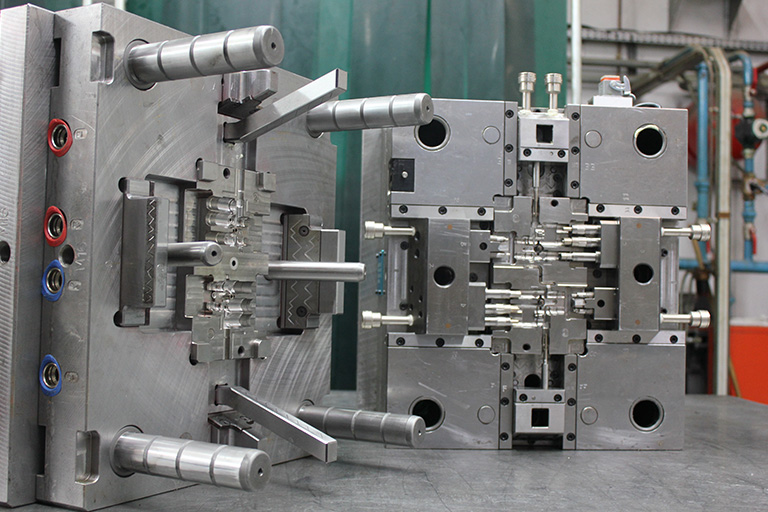
At Plastitec, the design and control of tooling and special machines are driven by reliability, productivity and durability, in close cooperation with the design and production teams.
Design and manufacturing of thermoplastic injection moulds
A tool’s quality is decided at the design stage. Our teams analyse your parts, volumes and constraints to define the best mould architecture: number of cavities, feed system, cooling system or automation. Every technical choice is studied to optimise productivity, part quality and tool life, taking the product life cycle into account.
Tools are developed in-house within the group or with our European and Asian toolmaking partners, depending on your technical and financial constraints.
Tools matched to production volumes
Tools are designed according to the project’s industrial objectives:
- Prototype moulds, to validate a design before investing in series tooling
- Small and medium series tools, balancing tooling cost and part cost
- High-volume tools, combining robustness, multiple cavities and automation for large-scale production
This approach aligns tooling choices with economic and industrial stakes from the outset.
Simulation and prototyping
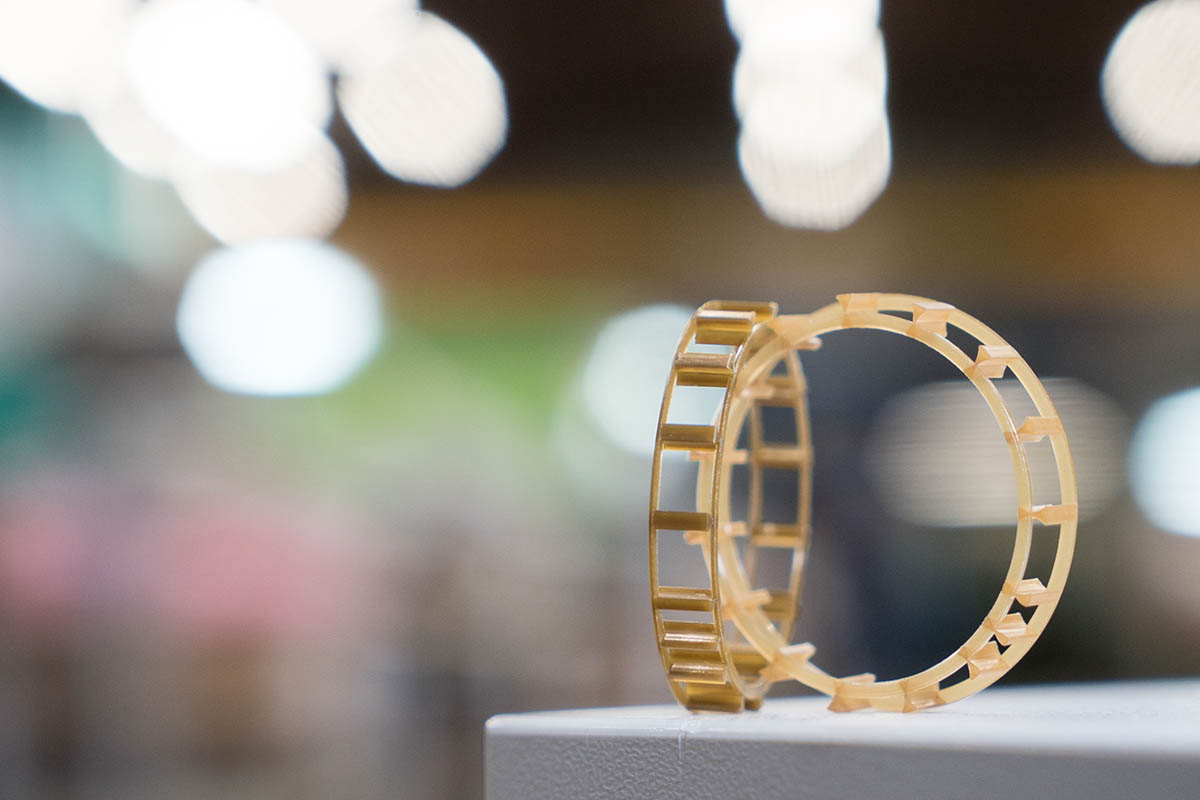
Before tools are manufactured, Plastitec uses Cadmould mould flow simulation to anticipate material behaviour and optimise mould design. 3D-printed prototypes also make it possible to quickly validate concepts, geometries or assembly principles before series launch, limiting risks and later adjustments.
Tool audit, maintenance and upgrades
Tools are built to last and evolve with products, materials and production rates. Plastitec supports customers with tool monitoring, maintenance and upgrades, through targeted interventions that preserve industrial performance and part quality.
Our teams also audit existing tools to identify areas for improvement, optimise processes and secure production over time.
Design that integrates the product life cycle
Tool design follows a product life-cycle approach. We integrate eco-design principles from the outset: material optimisation, scrap reduction, mould durability and easier use of recycled or regenerated materials.
This approach anticipates regulatory and environmental changes while securing industrial investments over the long term.
Special machines and automation
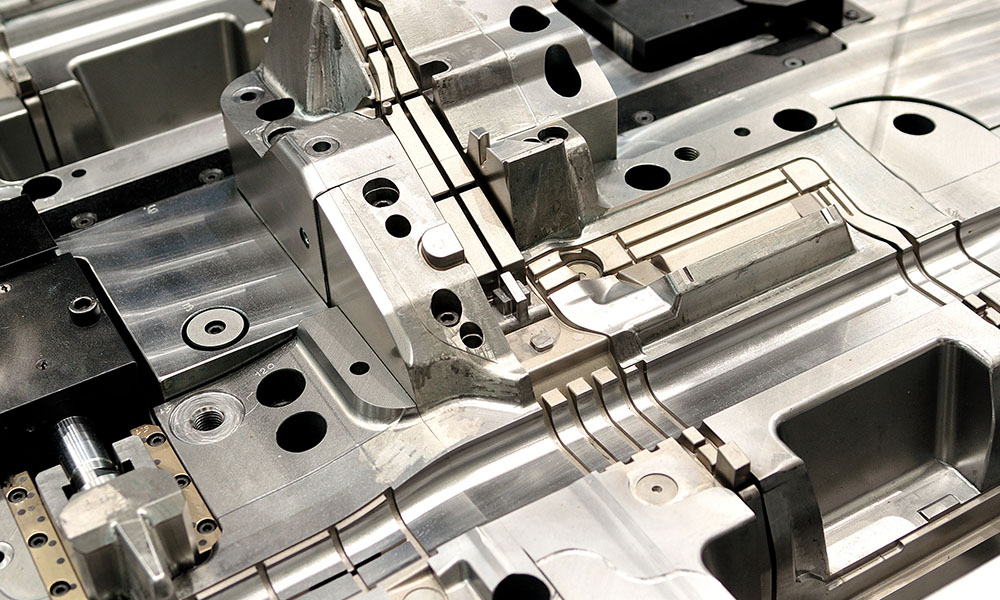
In addition to injection moulds, the Arindis Group designs and develops special machines and automation solutions for part assembly, inspection and handling.
Our teams design the equipment, program cobots and integrate gripper robots to automate targeted operations, improve repeatability and secure production flows. These solutions are designed to fit into existing industrial environments and evolve with production lines over time.
Tooling solutions tailored to your sectors
Our tooling and special machine expertise applies to a wide range of industrial sectors, each with specific constraints:
- Building & home automation: robust tools suited to industrial production rates
- Protection & safety: moulds designed for stability and regulatory compliance
- Energy & transport: technical tools meeting mechanical strength requirements
- Healthcare & leisure: tools enabling fine control of appearance and repeatability
- Robotics & automation: precision tools for integration into complex systems
Each tool is designed according to the technical, regulatory and economic requirements of the sector concerned.
Have a project? Let’s talk.
Our teams are ready to study your project and offer you
a solution tailored to your technical and industrial constraints.
